
Two supplier quotes arrive for a pectin project. One offers wet apple pomace at the press. The other prices prepared citrus peel at the warehouse. Compare both at your own receiving point, on dry matter and on the amount of product a customer can use. Then look at the calendar. A strong laboratory result helps only during the hours in which the supply chain can keep the line fed.
Start with one product acceptance decision
Ask sales for the first realistic use for the ingredient. For a fruit filling, agree where the buyer will measure texture and what needs to happen at the filler before the filling sets. Record the recipe, conditions and release tests for the same trial across both raw materials. If the customer wants to test at a second addition rate, label it as a separate run. That gives the purchasing team enough information to compare the cost in the recipe.
Set a boundary for the mass you are comparing. A dried base pectin, a standardised blend and the final packed lot belong on separate lines. If any material is added during standardisation, enter it before calculating output. A sample that passes the composition tests may still need an application trial before it qualifies. Use the pectin product page and the guide to esterification and grade selection to prepare the questions for the buyer.
The JECFA entry describes pectins derived from suitable plant materials, usually citrus fruits or apples. Treat each material's grade and fitness for a given use as something to establish with samples and the buyer's methods. For a planned sale, confirm the applicable specifications and customer requirements in the target market. JECFA entry for pectins
Price the load at the same receiving point
Ask each supplier where the price is valid and what form the feedstock takes there. Include haulage, transloading, containers, preparation and handling before the material enters the plant. Use the weight and moisture at the agreed receiving point. If supplier preparation changes the weight, record that change together with the service charge and its boundary. For example, find out who gets back the containers and who pays for the run if a load is held for checks.
Agree on a repeatable weighing and sampling method. Add the date, sampling location and whether the lot was drained. A dry-matter figure measured at the press may diverge from the receiving measurement if liquid drains before weighing. The finance team should be able to read a delivery note and know which figures will determine payment. Ask the operator what is actually measured when a load is split between two bins.
Work one hypothetical example before using supplier figures
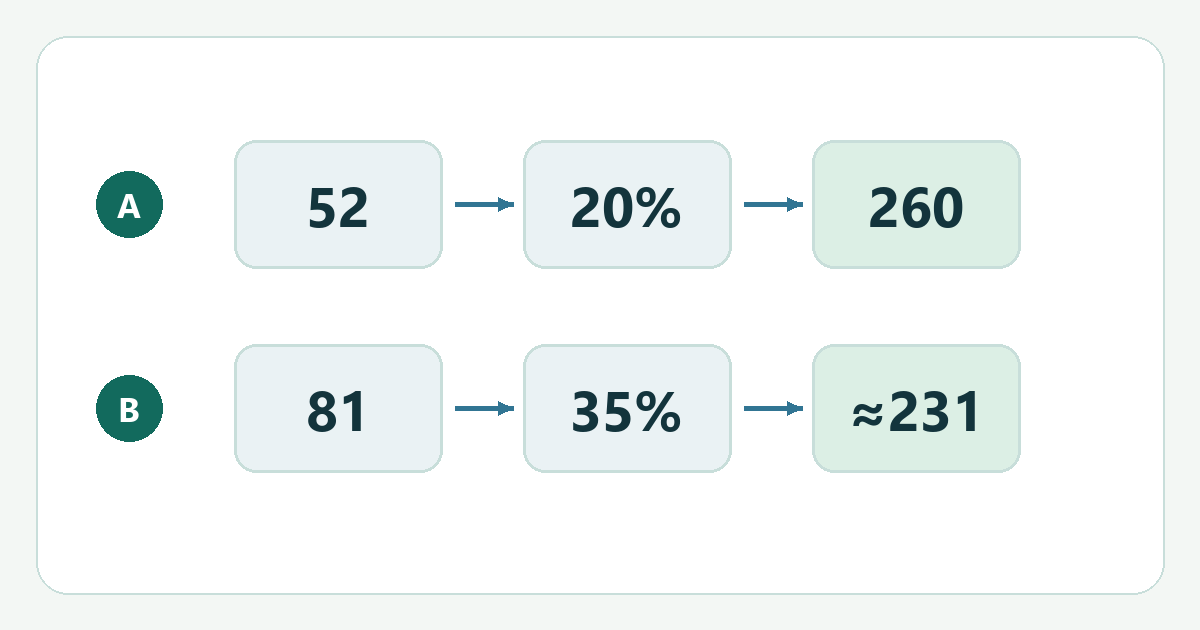
Suppose delivery A is priced at 52 units per wet tonne at the gate, with a measured dry-matter share of 20%. Its cost per dry tonne is 260 units. Suppose B costs 81 units and contains 35% dry matter. That is about 231 units per dry tonne. These are illustrative offers. Before choosing between real lots, find out how much dry matter remains usable after screening and preparation, and include what those steps cost.
Put the assumptions beside the result. Run the calculation once using another measured moisture result and again using an alternative transport cost. Ask who can validate the variable that changes the decision. If the lab measured one delivery during the peak, put the date on the estimate and request checks elsewhere in the season. For a shorter transport contract, verify whether the same rate still covers a second vehicle when peak arrivals overlap.
See how each source covers a working year
Lay out the actual supply by week, including maintenance and shutdowns at each juice factory. Put maximum loads next to the minimum committed volume. Estimate the hours the line could run with qualified material, with each empty interval visible. A seasonal total can include enough feedstock for the plant's intended output while leaving gaps during particular weeks. Decide how those gaps would be covered and whose records support the assumption.
If a second source would cover a missed delivery, ask how much notice it needs and whether it delivers the same physical preparation. It needs its own sample and receiving allowance on the plan. Run three schedules: a regular week, a peak week and one missed delivery. Record where an extra load could wait and how often an arrival would use shared equipment. Use the apple pomace trial guide for the sampling plan and the citrus plant site review for the premises.
Consider the gradual start and the end of a season. Take a sample when a supplier changes the fruit mix or its operating pattern. Ask for documentation of changes to peeling, pressing or earlier recovery of other compounds. Write separately what is guaranteed, what you measured and what someone expects. For the project meeting, a short gap between pressing schedules is more helpful when it comes with a delivery date and a named person on the supplier side.
Separate source, preparation and trial method
Give each batch a code and record who handled it. For every proposed delivered state, ask the laboratory to receive a representative sample. Keep a portion for repeat measurements. Align the shared parts of the trial, such as dry-matter measurement, product identity checks and the buyer's application. Record any source-specific preparation and trial conditions so the results can be compared with their history intact.
One study on commercial orange, lemon, lime and grapefruit peel examined differences in the resulting pectins under several extraction conditions. Take that practical point back to the supply sheet. Write down which peel and preparation you expect to buy and which sample represents it. If a trial compared two materials using different conditions, retain both settings and describe the plant consequences. Comparative citrus pectin study
Keep a result sheet for each test lot with the mass basis, recovered material, properties and the application verdict. Include filtration time and output from the part of the run that met the specification. A repeat that needs long separation may reduce the number of batches finished in a shift. Ask the buyer to report a failure with the lot code and the test condition. That gives the engineering team a place to investigate, including the process, preparation and the grade intended for the recipe.
Trace the work that happens outside the main line
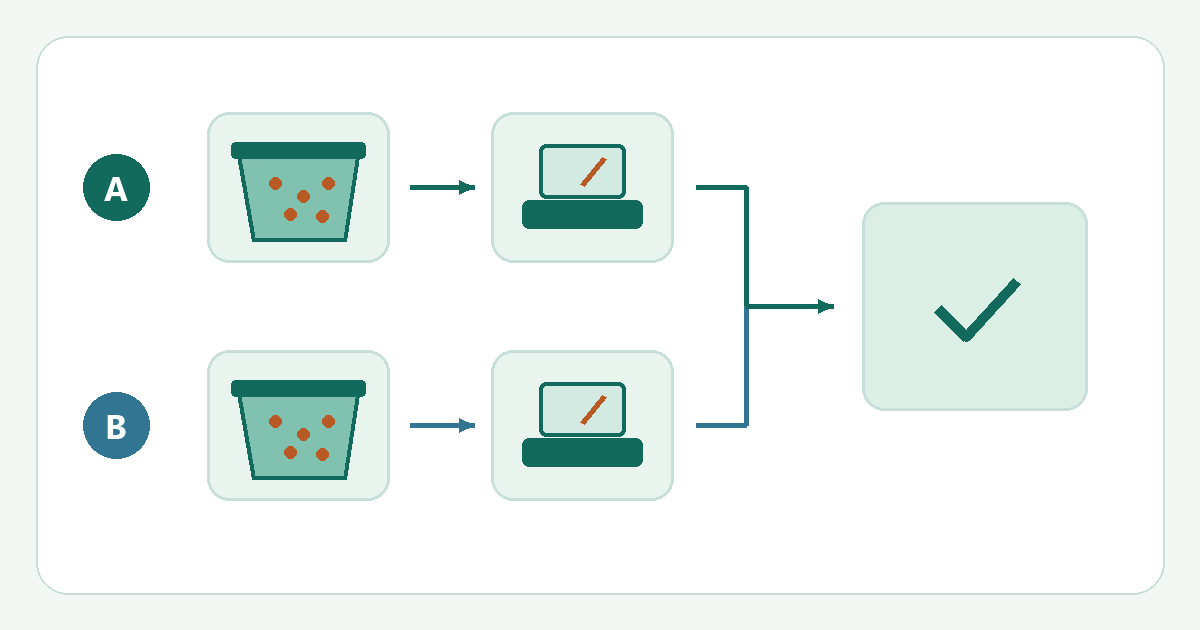
Write a row for receiving, separating lots, drainage, temporary storage and preparation for the next operation. For each row, put the person or supplier responsible, location, equipment and time needed. One supplier may deliver packaged, prepared material. Another may need containers and space near the press. The handoff in the quotation should match a point that actually exists at the site. Include weighing or testing where the material changes hands.
When a proposal covers two raw materials on the same line, walk through a changeover with production. Mark time to empty the feed system, clean it, switch to the next supply state and check the first lot. Ask where the residual material goes and how the next lot is kept identifiable. Put the resulting downtime into the weekly plan. Check the storage and preparation guide for questions to raise before budgeting new bins or a feed system.
An off-site operation still affects the project if the plant needs it to run. For example, if the supplier owns drying equipment, check what happens when that facility is busy or undergoing maintenance. Assign the cost of emergency preparation to a realistic scenario. Write down who will make the decision when the supply leaves the approved conditions. A missing answer here may affect staffing, space and the number of shifts even if the main extractor is the same.
Translate the trial into cost per accepted output
Compare both materials across the same planned number of usable hours. Start with what comes in and estimate what is lost in handling and preparation. Measure the working time consumed by rechecks or reprocessing. Give rejected batches a place in the model so the team sees how they affect delivered cost. Add site utility and handling estimates using a stated boundary. Assign by-product income to a scenario with a specification and a documented outlet.
Ask finance to mark which costs change when accepted output falls. Some costs accrue on every delivery or batch. Others accrue by shift or over the year. A high incoming volume has limited value if a portion has to wait for a second analysis and the relevant storage stays occupied. An operations worksheet can track that time, including the effect of one prolonged hold within a peak week.
Move from two rows of estimates to a shortlist of questions. A change in moisture could affect transport. A longer separation time could cut available batches. A stricter customer test could change the acceptable output without changing the recovered mass. For each possibility, state which sample, log or customer result will resolve it. The people responsible for the purchase and the plant can agree on the next measurement before choosing equipment.
Make a decision with clear conditions for review
Document the selected delivered state, the source calendar, the comparison of dry-matter costs and the evidence for a saleable grade. List the exact tests still needed to proceed. If two offers look similar, verify the assumption with the biggest implication for the investment. It may be an off-site preparation service, a short delivery season or a missing agreement with a residue receiver.
Bring the summary and original records to the pectin technology team or the engineering and EPCM team. A useful brief says which part of the scope still needs a trial, which party can supply source data and when the next procurement decision is due. Keep enough detail for both the commercial and the operations teams to rebuild the estimate when the supply offer changes.
For the two feedstocks on your shortlist, use the extraction and purification guide to compare accepted yield. Take the utility requirements guide and the alcohol-free production evaluation into the supplier review.
Share the two delivery offers, moisture measurements and the intended pectin application with Soltex Global to discuss the next samples, tests and engineering work.