
Before comparing alcohol-free pectin proposals, write down where the requirement applies and what will prove that it was met. Ask for a process diagram, a record of materials entering each relevant step and a trial with an agreed product. These three documents give purchasing and engineering a shared starting point when a supplier uses a short label to describe a long sequence of operations.
Turn the claim into a testable requirement
A buyer might specify a process without alcohol precipitation, ask that added alcohol be excluded within a stated production boundary, or set a criterion for residual content in a finished lot. Write the requested condition in the project brief and identify the stages, responsible party and evidence. An analytical requirement needs an identified substance, sample, method and reporting limit. A process requirement needs the materials register, defined scope and records of operation. Include an outside preparation step when it is within the agreed boundary.
Ask the buyer's quality team which description they will accept and what records must remain available after the plant is running. Check who will verify normal batches, changes of product and work after cleaning. For a finished ingredient, ask which lot the laboratory result represents and how it was sampled. Agree any market-specific product claim with the appropriate specialist before using it in a sales document.
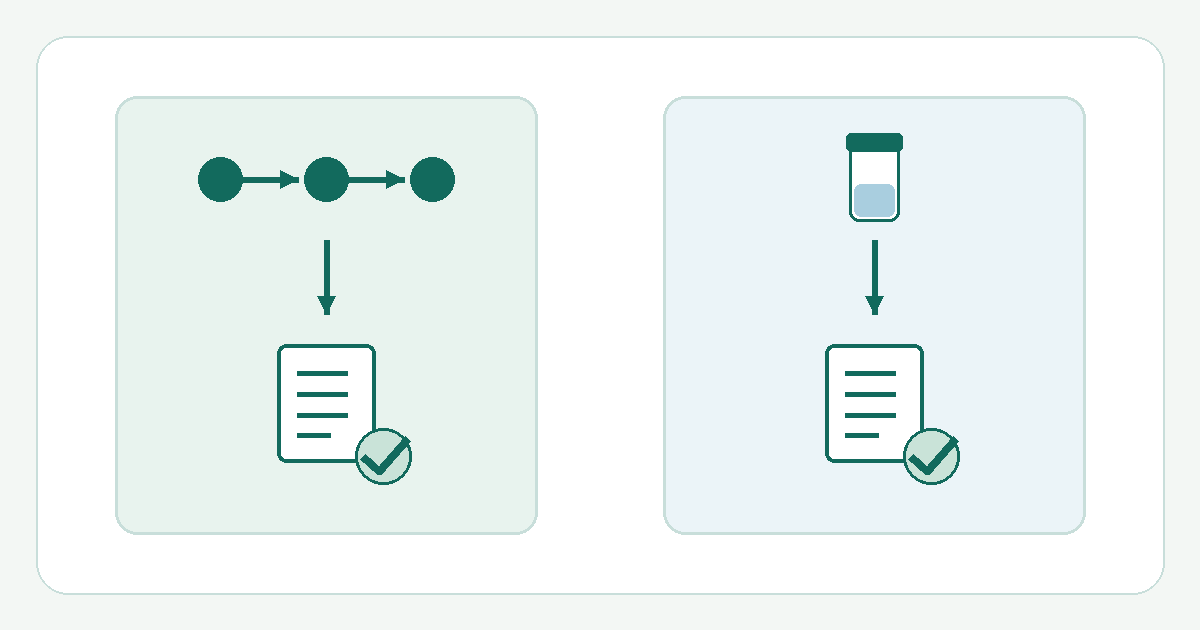
Walk the diagram to the packed ingredient
Ask for the inputs and outputs of extraction, clarification, purification, concentration, recovery and drying. Follow water, processing aids, prepared formulations, rinses, returns and hold-up. For each operation, mark who performs it and where ownership changes. An aqueous extraction proposal tells you about one stage. Look separately at how the material is recovered from the resulting liquid and what is added during the remaining steps.
The published Soltex Global pectin technology page describes ultrafiltration and diafiltration in a route without alcohol precipitation. Request the process information relevant to your feedstock and target quality. It can include the trial feed description, performance across the cycle, approved cleaning and what the operator measures before restarting. Put each verified value beside the test it came from. A future operator should be able to find the step that produced a reported number.
An independent study on crude aqueous extracts of sugar beet pulp compared alcohol precipitation and washing with a membrane-based route. Its experimental scope gives a useful example of how to compare recovery and product properties while keeping the material and method visible. Use the actual feedstock for an apple or citrus project when judging the expected performance. Comparison of membrane and alcohol recovery in sugar beet pulp pectin
Reconcile the materials list with changeovers
List materials added during the main process, those used in feed preparation and those used during servicing. Identify the supplier documents and whether the material contacts the relevant production circuit. Prepared mixtures and other services coming from shared equipment also need an entry. Ask whether a tank, transfer line or container serves other products. On the diagram, mark which parts of that equipment have to be controlled to meet the agreed requirement.
Walk through the first shift after maintenance. Which streams are held or directed elsewhere, when is the first sample taken, and who releases it? Tie those steps to lot labels and completed records. An outside supplier may provide prepared feedstock or a service. Ask how its record travels with the delivery and how the receiving team confirms the lot. Include a review of these procedures in the proposed acceptance run.
Read the laboratory language accurately
Find the named substance, sample matrix, method and reporting limit. A result reported as below that limit should be recorded with the limit itself and compared with the buyer's criterion. Ask who retained the sample and how it links to the batch and relevant production equipment. If a process claim also needs to be proved, set out the process records used for that purpose. The documents should show the scope and can be filed together for the same lot.
Compare on one product brief and one feed basis
Select a representative supply lot and agree the accepted product and buyer test before the trial. Keep incoming condition, dry feed mass, released dry product, throughput, cleaning and application results in one worksheet. Measure base pectin and a standardised blend separately if both are relevant. When comparing another route, ask the second team to use the same definitions. Record which process inputs differ, and why. A buyer's trial is easier to reproduce when both suppliers submit similarly identified and prepared samples.
If there is a membrane stage, request feed, retained stream and permeate measurements. Record added water, what passes through, product recovery, the time course of throughput and recovery of performance after cleaning. Hold back samples if an outlet seems difficult to close in the balance. Note which versions of the utility schedule and process diagram the trial corresponds to. The stage-by-stage extraction and purification guide shows how to place measurements and sample IDs in the process sequence.
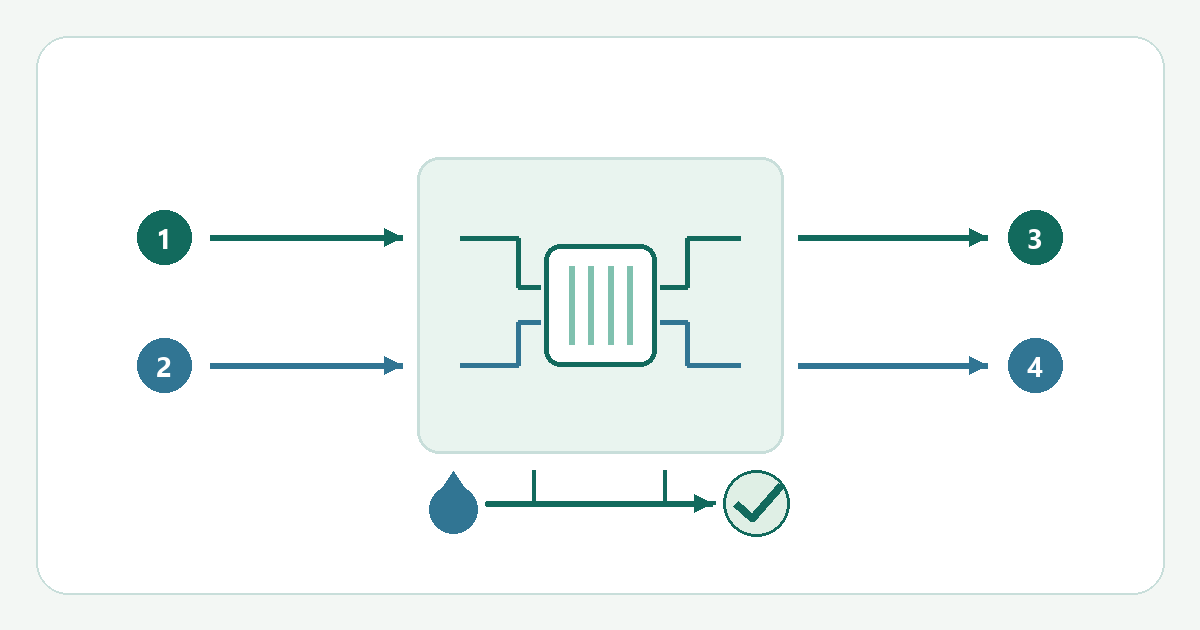
Put continuing service and outgoing streams into the quote
Put process and cleaning water, heat, electricity, operating hours, service materials and periodic replacements in the operating estimate. Show where each liquid or solid leaves and who can accept it. On a shared site, utilities or wastewater collection can limit the time in which a cleaning cycle fits. Use the pectin utility data guide to ask for the measured demand, available supply, discharge situation and what the crew does if one resource stops during the run.
Ask the vendor to price the steps from feed preparation through released product using the same scope. Include cost per accepted output and give trial evidence for batch duration and good output. If recoverable streams are mentioned, ask which can leave the plant and what preparation or specifications apply. Keep potential revenue as a separate scenario while its buyer is qualified. A comparable quote shows which duties stay with the site and which the supplier will support after installation.
Use a change of feedstock to test the proposal
Choose a second lot with an identified difference in condition. Have the vendor explain which part of the setup or cleaning changes and how the first finished sample would be accepted. If the project relies on preparations at a supplier's premises, confirm whether the agreement covers that second lot. Add time for the transition to the operating estimate.
Give the acceptance team a records exercise. Ask them to trace a sample back to the supplier lot and to the entry for materials used during operation. Then take one changed condition, such as a shared cleaning period or a delayed incoming sample, and find the record that would show how it was handled. This exercise can reveal that a proposed procedure needs a responsible person or a measurement before the team can verify its stated scope.
Prepare a record the acceptance team can use
Package the diagram, materials register, balance, trial log, sample results and the proposed acceptance tests. Supplement each outstanding point with the person who can answer it and a date. For example, the site may need to supply a verified water condition before a cleaning test. Purchasing may need an approved feedstock description for a trial sample, and quality may need agreement on composition and use. The pectin ingredient description and guide to pectin grade and esterification help prepare those product questions.
The JECFA entry provides a reference for pectin as a food additive. A responsible specialist should confirm the applicable market rules and how the intended claim will be supported. On the site, agree which records will be maintained when a material, preparation route or cleaning sequence changes. The product result and the process record should both be retrievable for an accepted batch. JECFA pectins reference
In the engineering and EPCM brief, state which decision is due next. It may be a review of a supplier diagram, a pilot trial or an assessment of shared utilities. Attach the buyer's agreed product conditions and the feedstock data that are already available. A decision to move forward can identify a particular sample test, capacity measurement or supply condition to confirm before the team commits to the next design step.
Keep revisions to the flow diagram alongside the pilot log. If a new buffer tank changes where the packed batch is sampled, update the acceptance brief before sending the next sample to the buyer.
Send Soltex Global your process requirement, feedstock details and product specification to agree which records, tests and engineering checks the proposal needs.