
A juice press gives you the first number for a pectin project: tonnes of apple pomace leaving the line. The next useful number is how much dry matter those tonnes contain. Capture both over the working season, then test which batches can produce the grade of pectin your buyer will actually use. You can start that work with press records, a few well-documented samples and a conversation with the buyer's formulation team.
Follow the pomace beyond the press
Start with one processor and trace a batch. Record which apples went in, how the juice was extracted, which processing aids were used and where the pomace was weighed. Ask the operator what happens when two presses discharge at the same time. A single afternoon's collection can make daily supply look steadier than it is. A press log or truck weighbridge record gives you a way to check that impression.
Follow the batch to the place where your line would take possession of it. Time spent in a bin, transport conditions and drainage can change the material that arrives. A sample from the press and a sample from the receiving bay answer different questions. If the project will buy from several plants, give each source its own sample ID. Record the lot number, collection point and time, plus the storage history and how the sample was handled before analysis. Keep enough material for a repeat test if the first result is unusual.
Ask for a weekly supply record that includes the weeks when pressing stops. A delivery average helps with budgeting. Design needs the size and timing of actual loads, the longest breaks and the share of deliveries that need extra preparation. If a truck drops off batches from two suppliers, find out whether the conveying and storage system can preserve their identities. Otherwise a useful result from the lab may be impossible to trace back to its source.
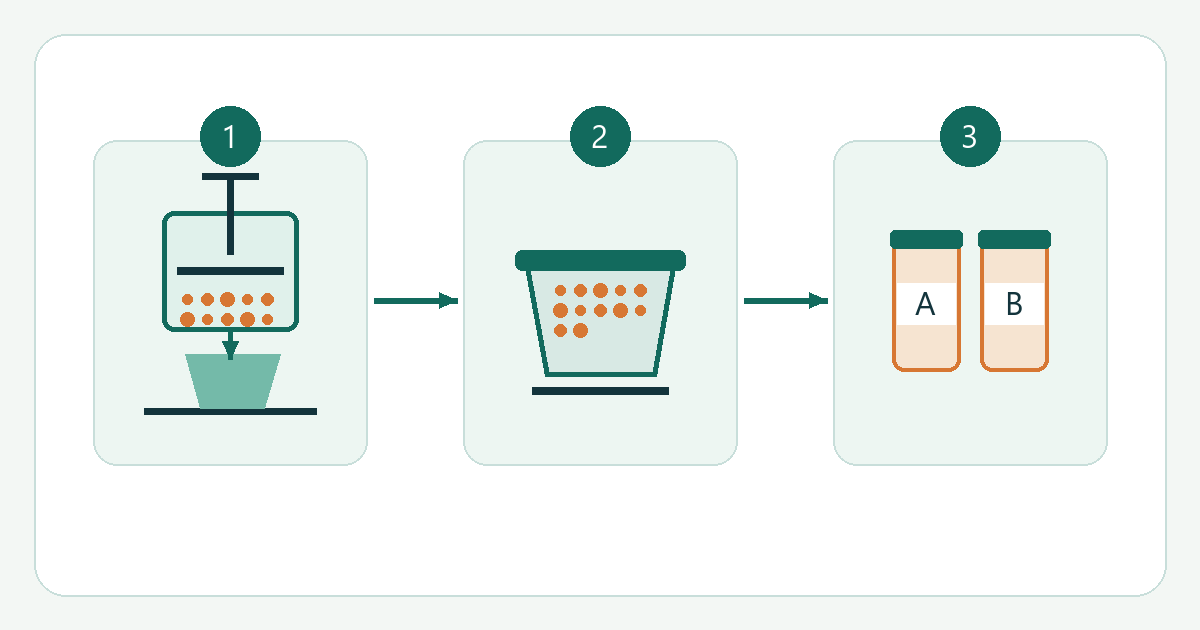
Put capacity on a dry-matter basis
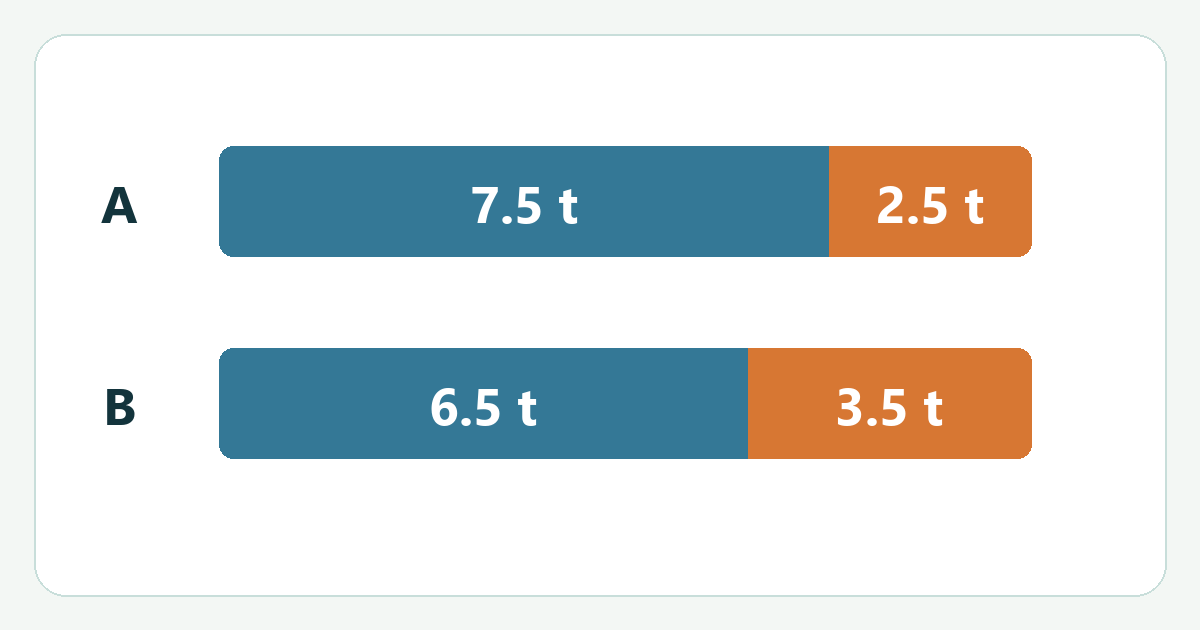
Consider two hypothetical deliveries of ten tonnes. At 75% moisture one contains 2.5 tonnes of dry matter. At 65% moisture the other contains 3.5. An intake rated for the same wet load sees a different amount of solids in each case. Dry matter gives you a consistent base for comparing extraction results. The wet figure still matters for transport, unloading and the water that goes into the balance.
Before comparing trial reports, ask how moisture was measured and at what point. Reports may start with material weighed after draining, dried feedstock or raw pomace as delivered. Label that basis on every row of the comparison. If a proposal quotes an annual tonnage, ask for the working hours and seasonal schedule behind it. A larger receiving buffer and a longer processing calendar solve different supply problems. Put the holding time for each option into the test plan before deciding how much space to allocate.
Agree what the pectin is supposed to do
Ask the buyer for one application to design around. A fruit preparation has a particular filling temperature, solids level, acidity and target texture. Get the method the buyer uses to judge the result, and the point at which the product is tasted or measured. Then ask which identity and purity tests belong on the specification and what variation the buyer can accept between lots. The pectin product page and the guide to degree of esterification explain the difference between a grade description and a recipe trial.
A laboratory sample can pass a composition test and still require work at the customer's filler. Agree where final acceptance happens. The extraction team needs to know whether its job ends with dried base pectin or includes blending and packing an agreed grade. Write the formulation of a standardised product in the mass balance. Changing the basis later makes supplier offers hard to compare, especially when one quote measures the base ingredient and another uses the packed blend.
Read the process as a series of handovers
Preparation and extraction
At reception, confirm the load belongs to the sampled supply stream. Observe how it unloads, clumps and moves towards the next stage. If the receiving method includes draining, stabilisation or drying, measure the incoming and outgoing masses and the destination of the separated water. A requirement placed on the juice plant still belongs in the project scope when it determines what the new line can process.
Extraction transfers the target fraction into a liquid stream. A useful test report shows the feed basis, sample identity and how the extract was assessed. Dranca and Oroian's work on pomace from the Fălticeni cultivar tracked galacturonic acid and esterification as well as yield. The results describe the tested material and method. For a commercial study, ask the lab to measure meaningful quality indicators alongside mass recovered. Apple pomace study
Separation, recovery and drying
Record how the liquid extract separates from the solids. Carryover and slow filtration can turn a promising extraction test into a long production cycle. Measure the amount of material held in the equipment and the amount exiting in each stream. Settle which analyses you need before moving on to recovery. Those measurements help the team decide whether the upstream preparation needs attention or whether the separation method is the more useful place to work.
At recovery and drying, follow moisture and mass to the form the buyer receives. Include the time it takes to discharge, clean and start the next batch. If the lab submits only its best sample, request the repeat results and the reasons any sample was rejected. The pectin technology page is the place to discuss the process options and agree the information needed for a trial.
Read the yield with its denominator in view
Keep a separate line for screened feed, dried recovered material and product that meets the agreed release tests. Attach the moisture basis and method to each. A report saying that the process recovered a certain percentage is difficult to use until you know what went into the denominator and how the resulting material was classified. Use the same lot in each column so changes in the source are visible beside changes in the process.
Draw the material balance around the operations you intend to install and the upstream services that supply them. Record added water, rework, solid residues, losses during transfer and material still in tanks at the end. When measurements leave a gap, write it down and choose where to take a second measurement. A high laboratory yield can make a weak business case if the recovered fraction takes too long to separate or fails a customer's application test. Capture the working time and the quality result with the weight.
Plan utilities around what happens during the shift
List water used in extraction and cleaning separately. For each use, note the time window and the condition required at the point of delivery. Heating, drying, equipment starts and cleaning may overlap. A utility estimate should show when that overlap occurs and which uses can move to another part of the shift. Ask the site team for measured spare capacity at the connection point when other plants are running.
For each liquid or solid leaving the boundary, record how it will be held and where it can go. A trial can show whether a residue is worth assessing for dietary fibre production. Give that option its own product specification and handling costs before assigning revenue to it. If a third party will take a stream, keep the written acceptance conditions alongside the balance.
End the trial with a decision someone can act on
Choose samples that represent normal intake and documented variations that the line may see. Ask the lab to label which parts of the sequence it has tested, which properties were reproduced and which samples met the release tests. Give the buyer a retained sample with the same lot number. Keep the results from the batch that failed as well. They tell the next team where an intake rule or another trial might be needed.
Gather the supply calendar, wet and dry feed figures, target application, test records, list of unresolved streams and a site sketch into one project brief. Give unknowns an owner and a date. That set of information lets the engineering and EPCM team estimate the next stage with named assumptions and tell you which decisions can already be made. A trial log also gives suppliers a common brief when you compare proposals for the same plant.
What can a juice plant send before testing?
A recent press record, a short description of how the pomace is handled and the intended product use will get the first discussion started. Include any constraint that already limits the plan, such as space by the press or a fixed pickup schedule. If you are also comparing a second feedstock, put its supply records in a separate table. A citrus pectin plant site checklist covers the utility and site questions for that option.
For a second feedstock quote, see the apple and citrus project comparison. Use the pectin feedstock storage guide to plan what to measure before an apple pomace lot is fed.
Send Soltex Global your feedstock calendar, available analyses and target application to discuss the next trial and the scope of engineering.