
The storage record for a pectin feedstock starts when it leaves the juice line. Follow the load through transport, unloading and the next wait before it reaches the feed system. If a container drains, a pile clumps or a shift loses time waiting for release, that record should tell the operator which batch it was and how it was held. This is the first piece of evidence for the storage and preparation design.
Put one clock on the entire journey
Put separation at the supplier, arrival at the gate, placement in storage and release to the line on the same record. If the load is inspected, add the inspection time and responsible role. If it changes containers, keep the original lot number with the new container location. Record any work done before dispatch, including draining or drying. A separate sample ID can point to the same lot and to a specific location within a load.
Walk the route with the people who weigh, unload and move the material. Ask what each uses as the start time. Arrival at the gate, weighing and acceptance by quality are three different events. The design team needs all three when it estimates how much is waiting and whether a shift can keep feeding. Decide which position can enter a missing timestamp after a weekend delivery and how the correction is recorded.
If a supplier mixes material from different production runs, ask for the time and records of the mix. A single receipt may use one reference number while the quality decision still depends on earlier batches. Keep the parent identifiers and record which sample was tested. If the site plans to unload part of the truck into a different bin, decide how both locations will be found when the test result comes back.
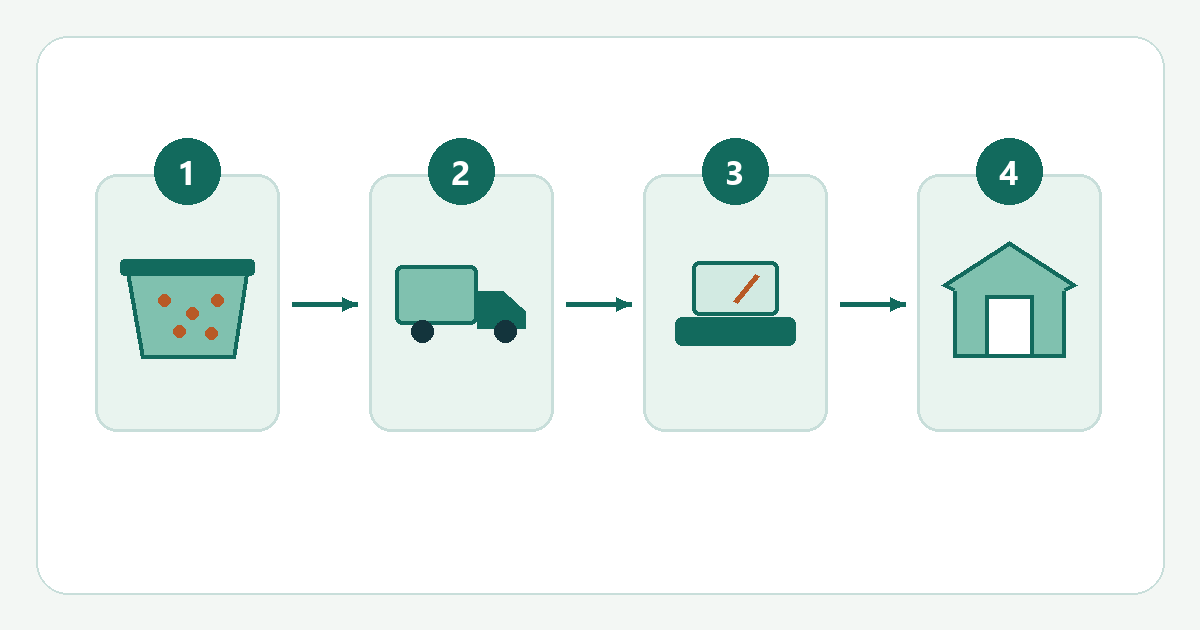
Give receiving operators a clear hold decision
Put the agreed feedstock description and sampling instruction at the gate or the weighbridge. The line might receive wet pomace, pressed peel or prepared dry material, with different handling checks in each case. Tell the operator which observations call for a pause and whom to contact. The operator can record free liquid, broken containers or foreign material. Release belongs with the site's agreed quality decision and records.
Look at where a lot can wait when it needs a decision. Both the inventory system and the physical area should identify material waiting for testing and material allowed to feed. Walk through two deliveries arriving while the holding space is in use. Who directs the next truck, who can authorise movement of a held lot, and where will the new sample go? Get the answer before fixing the layout. The easiest time to add a space or change a route is before the yard starts operating.
Test the wait the material will see
Take common receiving delays from the shift log. Before testing, agree which observations and analyses will be made at arrival and just before feeding. Ask the quality team which results would prevent use. Keep a reference sample of the incoming batch so changes can be traced to the tested hold. Set the trial's measurement points based on the actual raw material, its preparation, the site and the purpose of the trial.
Look for variation within the storage area as well as across time. A container by a door may experience conditions different from one behind two rows of stock. Record sampling positions and identify the container. If drainage, clumping or visible change occurs, write down where it started and how the operator handled it. Those records can help the lab choose a repeat measurement. Food safety and release decisions follow the qualified team's criteria for that material and site.
A late arrival can use more of the holding window than one shift sees
Imagine a truck prepared on Friday that arrives after its appointment. In the record, include time at the supplier, transit, the wait at the gate and the interval between unloading and feeding. Compare the whole sequence with the conditions the site has evaluated. If the working plan needs a longer wait, put the variation up for review, record the disposition and keep the sample ID visible. A detailed handover makes it easier for the next shift to see how to proceed.
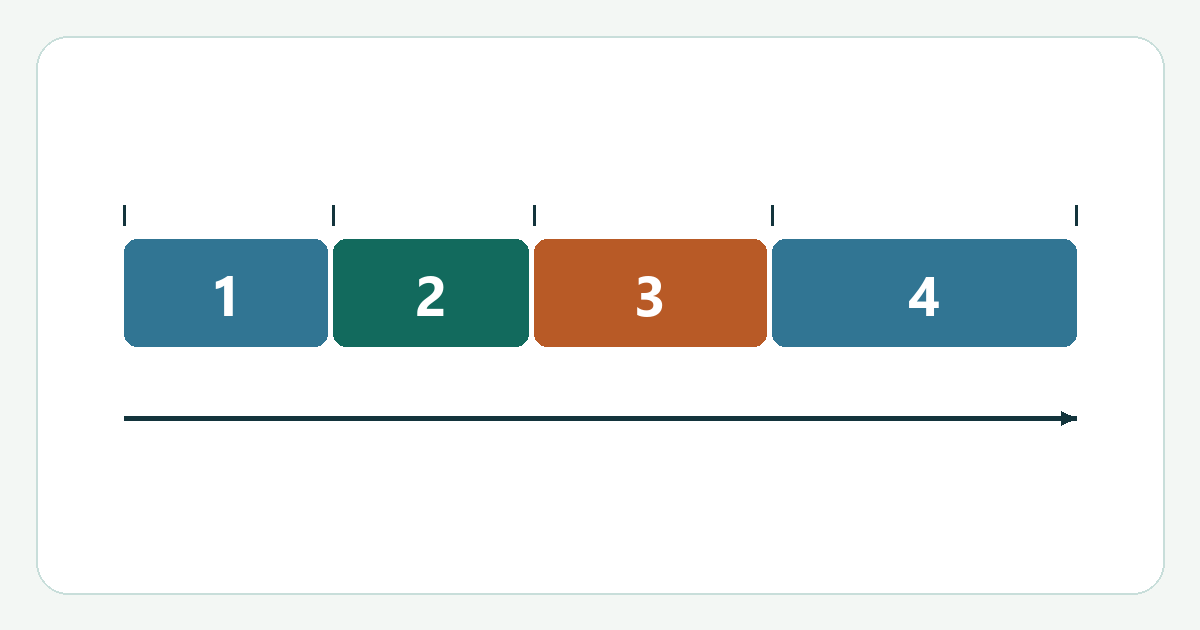
Wet and dry routes need different observations
With a wet load, find out where any free liquid collects, where it is measured and whether it is included in the receiving weight. Observe unloading and repeat the walk when a container has had the expected wait. Ask how a container is emptied, cleaned and returned. During a busy week, available containers and turnaround time may determine how much the site can receive. Put these constraints in the delivery plan beside the vehicle schedule.
Drying affects mass and handling. Evaluate the before and after moisture, yield of the preparation step, labour and energy used, and the condition just before feeding. Published work on drying apple pomace measured changes in properties of the resulting pectin under the conditions studied. Put product checks in the proposed trial as well as a drying measurement. Those checks should be relevant to the planned product and the actual batch. Study on pomace drying and apple pectin
For a dried form, ask the warehouse team what happens to a torn package. Consider the receiving point, location markings, and the places where moisture, dust or mixing are credible concerns. Seemingly small handling steps can affect the weight and state measured at the feeder. Record any new handling costs or losses. The apple and citrus feedstock comparison puts these observations into the project cost review.
Issue the oldest suitable material that is ready
The shift sheet should show the lot number, location, mass, hold or release status, and time of the next check. Choose a physical location ID that can be read from the aisle. At handover, reconcile received, issued and held stock. It should be possible to find which bin supplied a feed batch using the same label as in the test report. When a lot has a different preparation path, show that work on the shift plan before it is scheduled to feed.
Check whether the intended stock rotation is physically possible. A bin in the back row may require movement of other stock. A shared lane may be open only during a certain part of the shift. Ask a forklift operator to trace both moves on the drawing. Note the time to move each container and where an inspection can be carried out without obstructing the next delivery. Put recurring conflicts into the layout brief or update the schedule.
Prepare an interruption example for the handling team. If the feed system stops, identify what remains in the hopper, what is in a holding bay and what is still due at the gate. Note the remaining ages and statuses, and the person who assesses readiness to start again. The same record helps plan a controlled restart and tells purchasing when to adjust the next collection. Review the example on paper first so each role can spot missing information.
Establish what preparation changes between entry and feeding
Follow a scheduled lot through screening, conditioning, draining or whichever tasks the project proposes. Record the incoming and outgoing mass and the destination of every separated fraction. Take samples at agreed locations. Include what was needed to clean or switch the equipment and how long the line waited for steady feeding again. The value of preparation shows up in the final feed condition and in the time and effort required to achieve it.
For material that flows poorly, ask the operator to identify the exact point where it bridges or stops. Record the condition of the lot at that time and compare it with a smoother run under a documented setup. The issue may affect the reception system, intermediate storage or the feed mechanism. Measure there before a redesign is priced. A plant accepts material by a defined quality decision, and the trial will show what it takes to get that material reliably to the next stage.
Link the incoming sample ID to the processed material and the resulting pectin. Let the quality decision refer to the buyer's agreed application or specification, with the record of the conditions in which the lot was held. Review those checks with the pectin product information. Repeat an unusual result only after confirming the sample and measurement method. Give the engineering team the throughput record along with the quality report.
Hand engineering the records needed to size the area
Prepare the delivery calendar, the container cycle, measured handling times, results before and after storage, the handling restrictions and a layout indicating storage and hold areas. Add a sample record for a delayed lot. Include the observed bottleneck if one interrupted unloading or feeding. The apple pomace trial guide shows how to connect these observations to a trial. Read the citrus pectin site checklist when storage has to fit shared roads and services.
Put each open item beside the decision it affects. A test awaiting the buyer's answer can affect accepted stock. A period of shared forklift use can affect the unloading rate. A missing floor or drainage measurement can affect conversion work. Discuss it with the pectin technology team and the EPC or EPCM team. Identify the one record to obtain before each decision, with a place to make the measurement and an owner on the shift.
Once you can trace the incoming lots, use the extraction and purification guide to assign sample points. Check the utility requirements guide for wash timing and the alcohol-free production evaluation for the records to request from a supplier.
Send Soltex Global your delivery schedule and the record of a load that waited before feeding to discuss which measurements should guide the storage and preparation layout.