
A citrus pectin plant needs a site that can handle the peel when the juice factories produce it. A plot can have space for the line and still lack room to unload two trucks, hold a wet load over a weekend or clean the intake area without blocking the next delivery. Take a supply calendar and a simple shift plan to the site visit. That will give the engineer something concrete to check against the utility connections and the available buildings.
Establish which peel the plant will receive
Ask each supplier how the peel is separated, whether it is mixed with other material and how long it waits before dispatch. Note the fruit mix by week. Record whether the planned deliveries will be fresh, pressed, dried or otherwise prepared and who performs that work. Give each condition a separate line on the supply sheet, together with the moisture basis, typical load size and sampled dates. If a supplier quotes available peel for an entire season, ask how much of it is contractually available for your specific collection window.
The origin affects the questions for the lab. A comparative extraction study analysed commercial peel from orange, lemon, lime and grapefruit and reported variation in the pectins obtained under different conditions. Its measurements give a reason to check the actual mix before sizing the line. Make room for several lots from the intended sources in the trial schedule. Study of pectins from four citrus sources
Walk the intake on a busy day
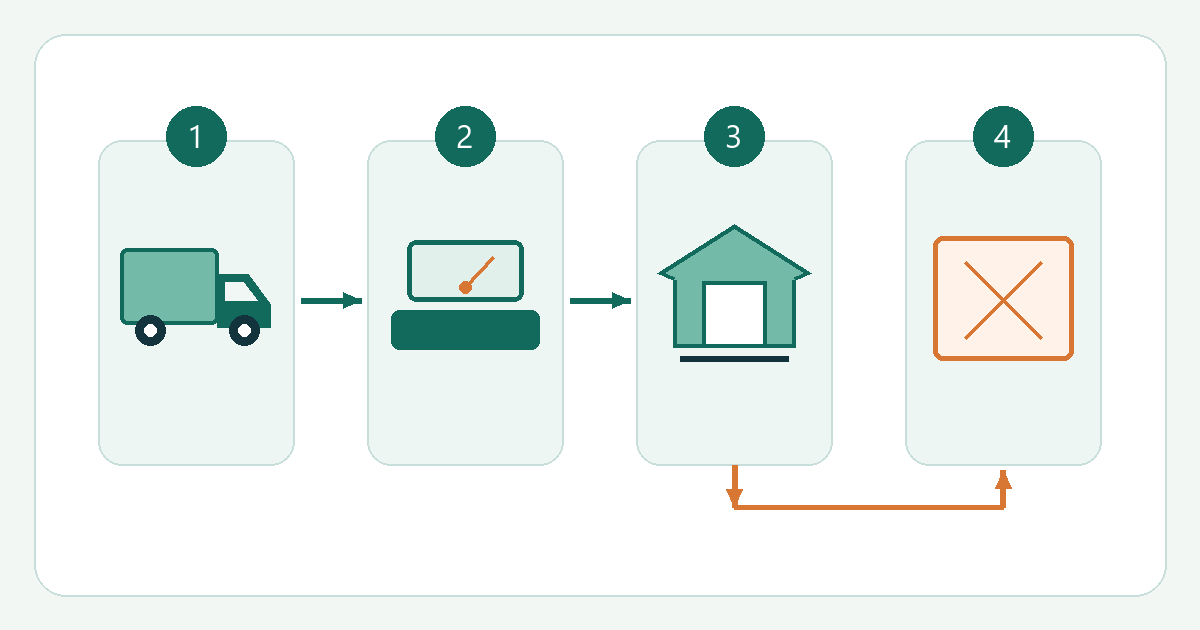
Mark the vehicle route from gate to weighbridge, unloading bay and exit. Estimate the time a truck occupies the bay using actual receiving tasks, including waiting for sampling results. Then ask what the operator does when a load is late or needs to be held separately. A fallback area that blocks access to utilities or a fire route needs attention at the layout stage.
Lay the delivery log next to the production calendar. A monthly average will hide stops at the juice processor and peaks after weekends. High intake may call for more receiving space. A long break puts different demands on storage, preservation and restart. Ask who controls the loading schedule. A plant that relies on neighbouring factories may need a clear arrangement for shared yards, access roads and cleaning.
Take a buyer's specification to the first site meeting
Fix an intended end use and identify the tests the buyer expects on release. Decide whether samples will be sent out for application trials or whether a small test area is part of the project. Provide for quarantine and a place to retain lot samples. Check the space needed if different grades or packaging formats run in the same week. The pectin product page gives buyers a starting point for specifying the ingredient.
JECFA describes food pectins obtained from suitable plant material, typically citrus or apple. Check the relevant current specification and requirements for the market in which the product will be sold. Customer qualification can cover properties beyond identity and purity. Write the application test and release decision into the project brief so the building and lab are sized for the grade you expect to ship. JECFA pectins entry
Confirm where the site's responsibilities begin and end
Use a drawing with the plot boundary, building entrances, drain levels and connection points. Colour the areas under the operator's control and label shared services. Give each item a contact who can confirm access, available capacity and any conditions in writing. When a third party owns a connection or builds a treatment stage, include the point of handover on the drawing and in the cost estimate.
For an existing food site, walk the building during the hours that production will share it. Check clearances for moving equipment in and out, floor loading and access for routine service. Plan where operators change clothing and where staff, ingredients, packaging and waste move. A layout drawing needs enough detail for the hygiene team to challenge a crossing before the foundations and drains are fixed. The Codex list of food hygiene codes provides a reference for reviewing these questions with local specialists.
Ask for water quality and capacity at the same time
List each use of water, including process contact, cleaning, utility makeup and cooling. Put a required quality and a usage window beside each row. Map those uses to confirmed sources. A water analysis and pressure reading from the site are most useful when they include the sampling point and date. If a nearby factory already uses the supply, record its demand during the hours in which your plant would operate.
When evaluating treatment, include what comes out of it as well as treated water supplied to the line. Ask who will maintain it and what happens if raw water varies during the citrus season. Give any proposed reuse stream its own line with a purpose, checks and a destination if it falls outside the allowed range. Put storage for service interruptions on the site plan only after you know the expected interruption and the operations that must continue.
Put heat, power and cleaning on one timeline
Ask the process team to mark when heating, drying, cleaning and the biggest electrical starts occur. Show operating loads and short peaks with their durations. Then compare that chart with measured utility availability and contractual limits. If a heating network supplies more than one building, ask who can authorise a connection and which loads share its peak window.
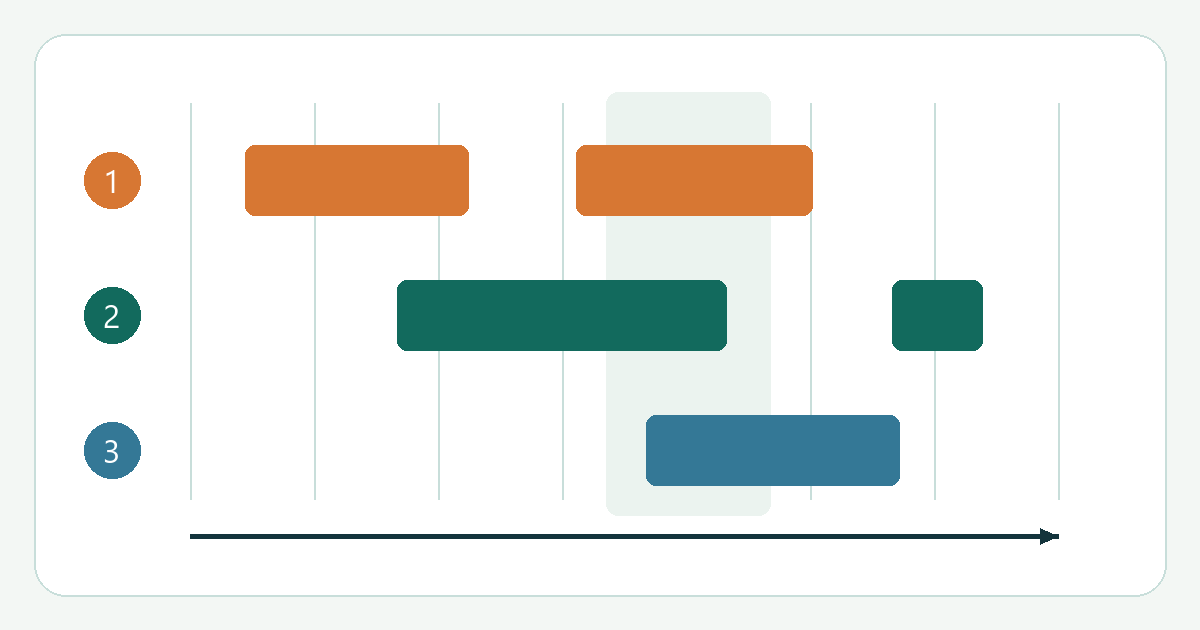
Prepare a short outage scenario for power, heat and water. Mark the steps that can stop safely, the material that needs to be held and the condition for restarting. Those decisions help determine whether a backup supply, storage or a different shift plan is worth pricing. Assign verification of each proposed measure to the process, utilities or site team so its cost can be traced to a real need.
Get written conditions for wastewater and residues
List each outlet stream by origin, volume pattern and analyses available. Separate process rinses, equipment cleaning, stormwater and solid residues on the drawing. A receiving facility needs to know when a discharge arrives and what is in it. Ask for capacity, acceptance conditions and the sampling point. Include any storage, testing or pretreatment the operator needs to provide before handing a stream over.
Find a practical route for residue containers to leave the building, including the time they can wait for collection. If a potential customer is interested in a fraction as a feedstock, agree how to sample it and how to judge whether it is fit for that use. A conversation about reuse helps to define trials. Keep the disposal route in the base case while the outlet is being qualified.
Trace a packed lot to the dispatch gate
Mark where packaging arrives, where it is opened for use, where filled packages are held for release and how goods enter a vehicle. Run through two loads arriving while an outgoing lot waits for a result. Ask whether both jobs need the same scale, forklift or door. Leave room to retain samples and separate a lot while quality staff make a decision.
On the drawing, follow the lot number from the receiving ticket to the finished label and dispatch record. Note which steps require a physical inspection and which can use records from a shared system. It is easier to relocate a sampling point or holding area at this stage than after the yard has been paved and doors installed.
Compare sites using the same plant brief
Use the same feedstock calendar, product specification and working hours for every site unless a difference is the reason you are evaluating it. Put confirmed connections and open questions in separate columns. Include the cost and time to close those questions, such as a survey of the drains or a written wastewater agreement. Discuss the findings with the people who have to run deliveries, cleaning and maintenance each week.
A useful decision record names the information already checked, the person responsible for each missing item and its impact on the sequence of engineering work. Bring that record to the EPC and EPCM discussion with the layout and available utility data. The pectin technology team can use the sample and product information to discuss how the process and the site fit together. If apple pomace is an option, use the apple pomace pectin trial guide to agree a separate supply and test basis.
What to send ahead of a site review
Send the peel supply calendar, the intended product, a measured site plan and whatever has already been confirmed by utility providers. State which equipment or buildings are existing and who can authorise modifications. Include the date you need to make a decision on the plot. That helps the team distinguish quick checks from measurements and agreements that belong in the next phase.
At the site visit, bring the pectin feedstock storage guide to review waiting space. The apple and citrus project comparison sets out how to compare delivered cost and accepted output.
Send Soltex Global your peel supply schedule and site information to discuss the first engineering review.