
Sizing utilities for a pectin plant starts with the operating schedule. Put preparation, extraction, separation, drying and cleaning on a single timeline. Note the resource each consumer needs, for how long and at which connection. When two operations use the same supply at once, check their combined demand against what the site can deliver during that interval.
Get duties and operating conditions onto the equipment list
Give each operation a row with a connection, quantity, unit, duration and conditions of use. For water, for example, include quality and pressure where it is required. Ask vendors for data for the equipment and operating duty actually proposed. Give tentative numbers a source and a check. A working list should show which values were measured, which are vendor estimates and what still needs a measurement on the site. Use the pectin technology page to identify the proposed process stages.
Include the transition between cold equipment, a normal run, cleaning and stopping. If the line will share a site with another plant, put that plant's shift and maintenance periods beside yours. Test the water or heat connection under a representative shared load. An available connection checked on a quiet day may have a different capacity at the intended operating time. For a retrofit, find out when a tie-in can be installed and which production activities must continue while the work takes place.
Split water by use and when it will be needed
Make individual entries for process contact, cleaning, make-up, cooling and other uses. Record required quality and pressure at the consumer, plus the owner and location of the supply. A treatment unit needs its own input conditions, output checks and discharge information. Where two uses share a source, find out what the existing consumers actually take during production. Ask the site team to attach the date, place and operating conditions to the measurement.
Work a short peak example
Suppose a process takes 2 m³ per hour and cleaning takes 3 m³ per hour at the same inlet. For thirty minutes they overlap, so the line draws 5 m³ per hour. If confirmed supply at that time is 4 m³ per hour, the volume difference during the half hour is 0.5 m³. This is an example of reading a schedule. For real buffer sizing, check refill time, pressure, available working volume, water quality and other users at the same connection.
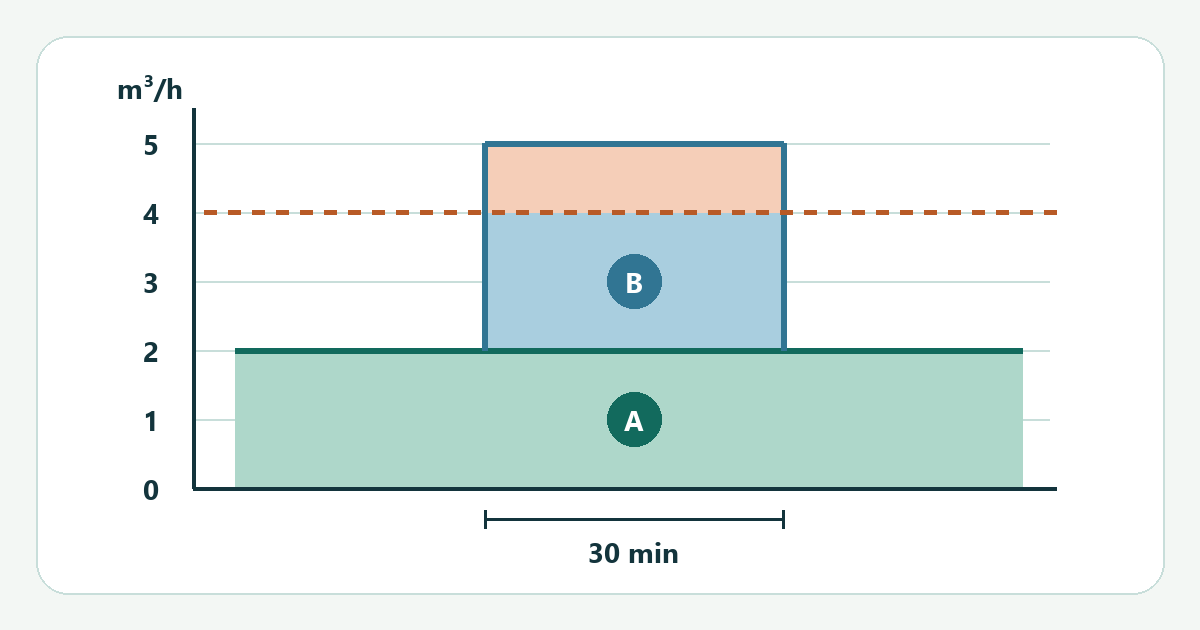
Put the proposed change beside the existing shifts. If cleaning could happen later, ask quality and production whether the new timing would support the next batch and whether the wastewater receiver can accept it. If overlap is necessary, take its duration and measured demand to the engineering team. Then evaluate whether to improve the connection or plan a buffer, and which inspections each option needs. Give operators a chance to walk through the proposal using a recent shift record.
Specify heat at supply and return
Prepare a line for heating, concentration, drying and hot cleaning as applicable. Ask for the load during each stage and the parameters the equipment can use. Instantaneous heat duty determines what must be available now. Energy over a shift or season helps estimate operating costs. Write the interval and number of cycles beside that value. If a vendor gives a flow of heat-transfer medium, keep the corresponding delivery and return conditions so it can be compared with the site's offer.
On the site drawing, show the proposed connection and return from each major consumer. Ask the service owner about available conditions during normal neighbour operations and during startup. State where those conditions were checked. In a retrofit, ask who authorises interruption, how long the tie-in requires and which work remains at the service owner. Include the process team's plan for finishing or holding a batch if heating becomes unavailable midway through it.
Schedule cooling as well. Put product cooling, equipment service and any shared ventilation loads on the calendar as appropriate. If the same circuit covers several uses or buildings, check the coincident demand and seasonal supply. A sheet with the equipment's required delivery conditions can be checked against site measurements and an actual return path. Record who will check the connection again when the expected production timetable changes.
Bring actual starts and shutdown duties into the electrical review
List motors, pumps, auxiliary systems, laboratory space, ventilation and other plant consumers. For each, record running demand, starting conditions, duration and potentially simultaneous loads. The sum of equipment ratings gives an inventory figure. The decision to extend a connection also needs operating history or a confirmed schedule, plus the site's capacity and limitations. Supporting loads should be visible to the electrical designer alongside the main process equipment.
Set out two interruption cases. In the first, work stops before the feed enters. In the second, there is material in an active vessel and other equipment is waiting for it. Identify what the operators need to control, hold or restart. Record which functions require continuing service during a pause, and which ones depend on conditions restored before production resumes. The feedstock storage and preparation guide can help identify the material waiting up to that point.
Trace wastewater when it is generated
Give process discharge, cleaning water, water treatment reject and other streams separate rows. Enter the timing, flow estimate, proposed quality checks and the point where someone will take a sample. Mark the receiver and confirmation needed before transfer. A main drain can see a sharp discharge after cleaning, even if the total over the shift appears manageable. Ask the plant and receiving team what both rate and composition they expect at the actual transfer point.
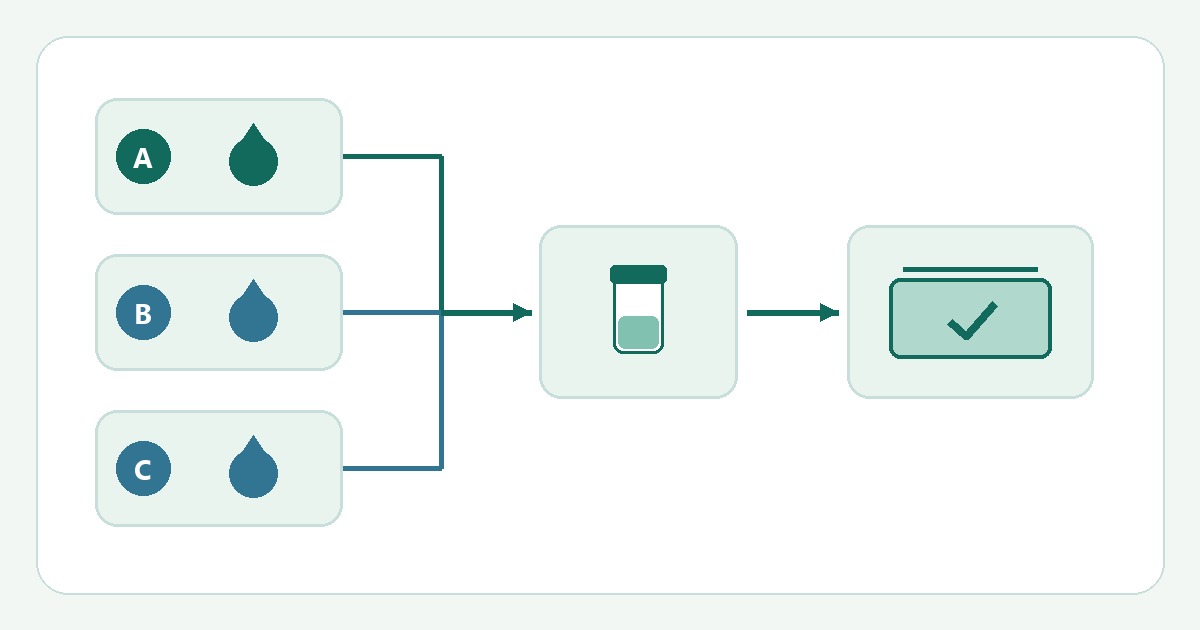
Ask for written acceptance conditions and the periods in which the receiver is available. When the site needs retention, measurement or pretreatment, make it visible in the project scope. Represent a planned maintenance period or a temporary interruption in the diagram. Decide which streams can be held and when production has to respond. The JRC food, drink and milk reference discusses water use and wastewater characteristics. Ask the responsible specialists which conditions apply to the individual site. JRC food, drink and milk reference
Check a return loop before using its savings in the estimate
Name the receiver of any reused water or recovered heat. Describe acceptable conditions, monitoring, the times it needs the service and where the flow goes if it falls outside the agreed range. Add what movement and treatment would be needed. If the loop supplies a consumer that runs while the source is being cleaned, record the plan for that interval. The alcohol-free pectin evaluation sets out additional questions about cleaning and liquid streams for that process option.
Show who owns each side of the connection
Mark the boundary on a measured site plan. Put the meter, isolation point, route to the consumer and any return or transfer point on the drawing. Record who supplies connection conditions, who installs, who measures and who operates the equipment. Walk the route in person if possible. A pipe route can cross a working aisle or a space owned by another operator. If the connection moves, verify the resource conditions and responsibilities for the new location.
Compare the plan to the equipment supplier's scope. A machine may have its own pump while the tie-in, control measurement and isolation arrangement sit elsewhere in the contract. If a package includes a backup unit, ask which external line it uses and when it will be tested during acceptance. The site guide for a citrus pectin plant helps connect these duties to spaces, access and shared services.
Hand the designer a set of inputs they can check
Prepare the process schedule, consumer list, measurements, utility conditions and wastewater routing. Add the existing services and activities that will continue around the project. Mark who supplied each value, who can verify an open assumption and what decision it affects. The EPC and EPCM engineering team can use that package to review the connection, resilience and timing of the proposed work.
Review one representative week with operations and procurement before setting the brief. Ask who can move a cleaning period, who confirms the remaining site capacity and how a discharge interruption is recorded. For a missing datum, name a measurement and give it an owner. Use the result to update an exact line in the estimate or drawing, so the next team can see which decision changed and what evidence supported it.
Keep the date of the drawing and the connection measurement together. When a vendor moves a consumer or proposes another cleaning interval, that file gives the site team a precise place to start the recheck.
Bring the pectin product brief to the supplier review. Confirm how the target moisture and application affect the drying and cleaning duties in the utility schedule.
Share your site plan, shift schedule and confirmed connection data with Soltex Global to discuss utility sizing and the EPC/EPCM scope.